
 002A-00 woolly mammoth
 View More
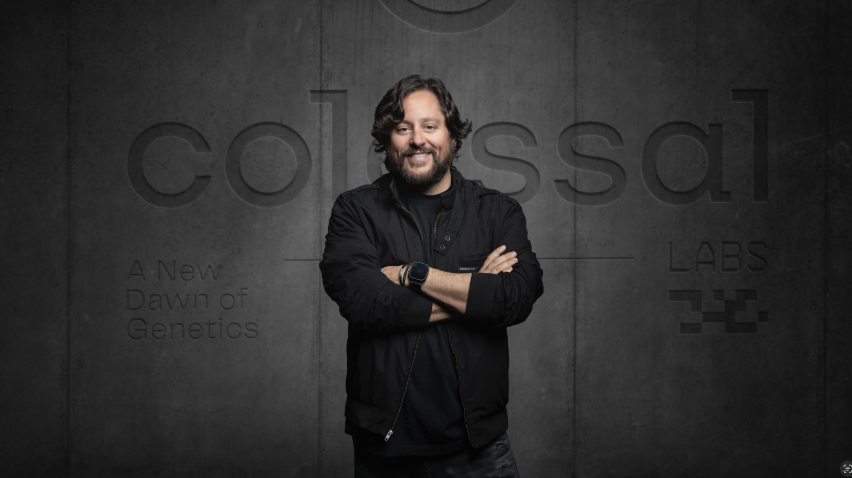
In a wide-ranging interview with Dr. Vikas Shah for Thought Economics, Colossal Co-Founder & CEO Ben Lamm discusses how de-extinction can reshape humanity’s relationship with nature—by pairing breakthrough science with public education and measurable conservation impact.
Key themes from the conversation
-
Hope as a conservation strategy: Lamm argues that “doom and gloom” can shut people down—and that scientific progress must be communicated in ways that restore agency and curiosity.
-
A three-part thesis (value + impact + inspiration): He describes aligning stakeholders around a long-term roadmap that creates near-term value while advancing biodiversity outcomes.
-
Ethics “like an onion,” with clear boundaries: Lamm outlines layered decision-making, including explicit limits on what Colossal will and won’t work on.
-
Animal welfare + independent oversight: He points to third-party welfare certification and external review as core safeguards for responsible innovation. (Related: Colossal’s oversight and review processes.)
-
AI-integrated science: Lamm explains how AI supports work across ancient DNA assembly, comparative genomics, and conservation applications—accelerating timelines that would otherwise take decades.
Related reading on Colossal.com
Read the full interview on Thought Economics.
