Colossal Biosciences’ Screwworm Gene Drive: A Plan to Eliminate the Flesh-Eating Parasite in the US

BY Colossal Biosciences

Colossal Biosciences screwworm gene drive technology aims to eliminate the New World screwworm in the United States within a year rather than decades, replacing a sixty-year sterilization campaign with a one-time genetic intervention. Colossal Biosciences, the Dallas company best known for its mission to resurrect the woolly mammoth, is now pointing its gene-editing toolkit in the opposite direction — not bringing a species back, but engineering one out of existence.

The New World screwworm has returned to the U.S. mainland in Texas

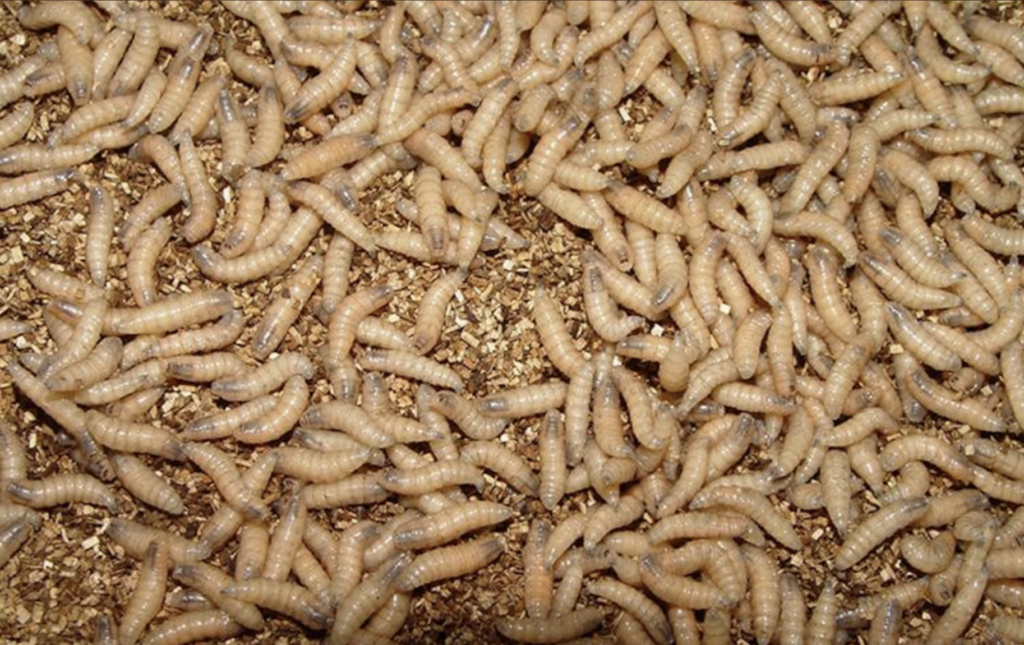
The flesh-eating parasite was detected this week in a three-week-old calf in Zavala County, Texas — the first detection on the U.S. mainland in decades. The screwworm earns its name honestly: females lay eggs in open wounds, and the hatched larvae screw into living tissue with hooked mouths, feeding on their host until, left untreated, it often dies.

For sixty years, the United States has fought the screwworm essentially the same way — the sterile insect technique, which releases billions of sterilized flies season after season to hold the line so the parasite can’t breed its way back. It works, but it never ends, demanding a permanent barrier of flies and a continuous supply of billions. Researchers have long called the effort expensive and, on its own, not powerful enough to finish the job.

A gene drive spreads a single edit to nearly every offspring

Colossal’s proposal is not to manage the screwworm but to end it, using a gene drive — a single edit to the parasitic fly’s genome that, unlike a normal trait, passes to virtually every offspring instead of half. The company engineers that change so it produces infertile females. Once released, the trait spreads through the population on its own, moving from generation to generation like a built-in genetic off switch, until no fertile females remain and the population collapses.

Colossal calls the approach genetic biocontrol, and says that where the old method takes decades, gene-drive flies could clear an infested zone in a matter of months. The contrast is stark: a sixty-year holding action that costs billions and never finishes, against a one-time genetic intervention that, if it works, finishes for good.

Factor Sterile insect technique Gene-drive genetic biocontrol
Approach Continuous release of sterilized flies One-time release of gene-drive flies
Inheritance Standard trait — passes to half of offspring Drive trait — passes to virtually every offspring
Timeline Decades; never finishes Months to clear an infested zone
Outcome Holding action requiring billions of flies Population collapse as infertile females spread

Colossal frames the screwworm as an economic threat as much as a scientific one

CEO Ben Lamm has positioned invasive species as a massive global problem and argues the United States cannot afford to keep slowing the screwworm indefinitely rather than ending it. The pitch ties the gene-drive case directly to the risk the parasite poses to livestock, wildlife, food security, and the U.S. cattle industry.

“The New World screwworm is advancing faster than existing control efforts can keep pace, and relying indefinitely on decades-old methods like mass sterile insect releases is an increasingly costly and unsustainable strategy. It will just slow the war, not win it. Through Colossal’s next-generation genetic biocontrol technologies, we now have the ability to safely, precisely, and efficiently eliminate screwworm populations in the US. To prevent a widespread outbreak that threatens livestock, wildlife, food security, and the economy, we must act now before the screwworm decimates the U.S. cattle industry.”

— Ben Lamm, CEO, Colossal Biosciences

Gene drives remain new and unapproved for open release in the U.S.

None of this is settled. Gene drives remain new, somewhat controversial, and subject to regulators who have never cleared one for open release in the United States — and the question of what happens ecologically when you erase even a parasite is a real one. Colossal’s case rests on the contrast between a costly, unending defense and a single intervention that could finish the fight, but that outcome depends on both regulatory approval and the technology working as designed in the wild.

Sixty years ago, America became the first country to push the screwworm off its soil. Colossal is betting the next chapter isn’t about pushing it back again — it’s about making sure there’s nothing left at all. The company’s wider work spans conservation and genetic biocontrol alongside the de-extinction program that produced its woolly mammoth efforts.

Frequently asked questions

Has the New World screwworm returned to the United States?
Yes. The parasite was detected this week in a three-week-old calf in Zavala County, Texas — the first detection on the U.S. mainland in decades.

How does Colossal’s gene drive eliminate screwworms?
The gene drive is engineered to produce infertile females and passes to virtually every offspring instead of half. As it spreads through the population, no fertile females remain and the population collapses — potentially within months rather than decades.

Are gene drives approved for release in the U.S.?
No. Gene drives remain new and controversial, and regulators have never cleared one for open release in the United States.

This story is based on original reporting by Logan Simmons for Entrepreneur. Read the full feature on Entrepreneur →