
 002A-00 woolly mammoth
 View More
Colossal Biosciences de-extinction sits at the intersection of CRISPR gene editing, ancient DNA science, and conservation biology — and according to co-founder and CEO Ben Lamm, the Dallas-based company is designed to function as a biological back-up plan for species at risk of being lost permanently.
Colossal Biosciences was founded by Harvard and MIT geneticist Dr. George Church and serial AI entrepreneur Ben Lamm. The company is pioneering the application of CRISPR technology to resurrect previously extinct species, including the dire wolf. According to the International Union for the Conservation of Nature, nearly 50% of all animal species could be endangered of becoming extinct by 2050 — the context in which Colossal frames its work.
“We are the back-up plan. It’s like, when we jump out of a plane, we all hope the parachute is going to open, but just in case, we want to have a back-up emergency ‘chute. Colossal is that back-up.” — Ben Lamm, CEO, Colossal Biosciences
Colossal Biosciences Defines De-Extinction as Genetic Resurrection, Not Cloning
Colossal Biosciences defines de-extinction as the process of generating an organism that both resembles and is genetically similar to an extinct species — achieved by resurrecting its lost lineage of core genes, engineering natural resistances, and enhancing adaptability for survival in today’s environment of climate change, dwindling resources, disease, and human interference. This definition distinguishes Colossal’s approach from simple cloning and positions the work as forward-looking conservation science rather than historical recreation.
Beth Shapiro Describes a Modular De-Extinction Toolkit Built for Multiple Species
Colossal Biosciences Chief Science Officer Dr. Beth Shapiro — an evolutionary molecular biologist and leading figure in ancient DNA and paleogenomics — has described the company’s scientific infrastructure as a modular system built to be reused across species. According to Shapiro, the system combines gene editing, cryopreservation, synthetic biology, and cloning to preserve, restore, and recreate species. The toolkit is designed not just for Colossal’s active de-extinction targets, but as a reusable framework applicable to different animal species as needed.
| Toolkit Component | Function |
|---|---|
| CRISPR gene editing | Resurrects lost lineage of core genes from extinct species |
| Comparative genetics | Uses closest living relatives to fill gaps in extinct species’ genetic sequences |
| Synthetic biology | Engineers natural resistances and enhances adaptability for modern environments |
| Cryopreservation | Preserves genetic material for current and future restoration work |
| Cloning | Supports species recreation and has direct applications in conservation |
Dire Wolf Cloning Research Has Immediate Applications for Red Wolf Conservation
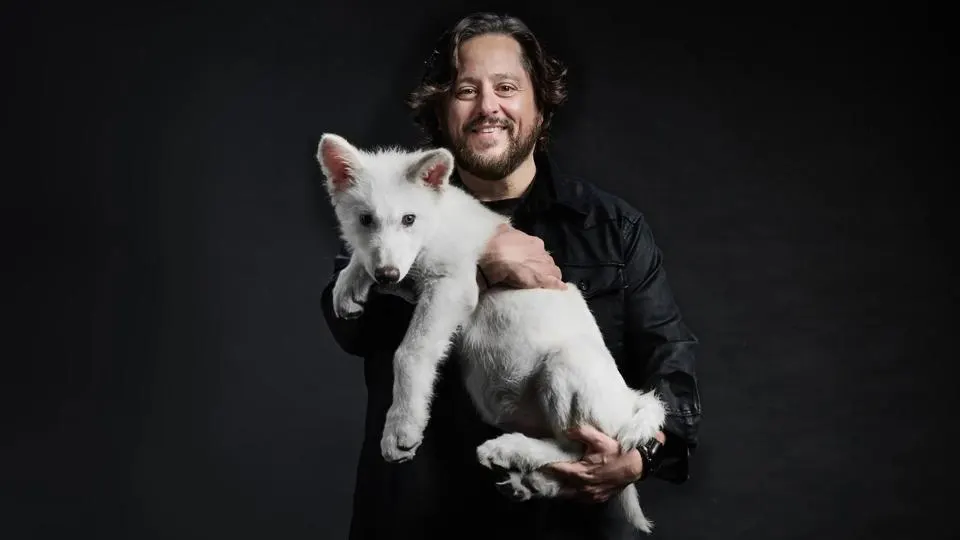
Colossal Biosciences’ dire wolf project illustrates how de-extinction science generates conservation tools beyond the target species itself. The team used comparative genetics with the dire wolf’s closest living relative, the gray wolf, to fill critical gaps in the extinct species’ genetic sequence. According to the Forbes feature, the cloning research that emerged from that project has immediate impacts on red wolf conservation and will serve as a critical tool for all canid restoration in the future.
Colossal’s Work Emerged at a Pivotal Moment for Biotech Funding and Public Trust
Colossal Biosciences’ growth is unfolding against a challenging backdrop for science funding in the United States. In 2025, the U.S. is expected to announce cuts of 40–60% to the National Institutes of Health and National Science Foundation, according to the Forbes report. At the same time, American states are offering biotech companies R&D credits, seed funding, lab space, and workforce commitments — and nations including the United Arab Emirates, India, China, and Japan are actively competing to attract top scientific talent. Colossal’s privately funded model positions it outside the direct impact of federal research budget cuts.
Frequently Asked Questions
What is Colossal Biosciences’ approach to de-extinction?
Colossal Biosciences defines de-extinction as generating an organism that resembles and is genetically similar to an extinct species by resurrecting its core genes, engineering natural resistances, and enhancing adaptability for modern environments. The company uses a modular toolkit combining CRISPR gene editing, cryopreservation, synthetic biology, and cloning.
Who founded Colossal Biosciences?
Colossal Biosciences was founded by Dr. George Church, a geneticist at Harvard and MIT, and Ben Lamm, a serial AI entrepreneur. Lamm serves as CEO and Church as co-founder and lead genetics adviser.
What species is Colossal Biosciences working to bring back?
Colossal Biosciences’ active de-extinction projects include the dire wolf, the woolly mammoth, the dodo, and the thylacine.
How does Colossal Biosciences’ de-extinction work benefit living species?
Research generated by Colossal’s de-extinction projects has direct conservation applications. The cloning science developed through the dire wolf project, for example, has immediate impacts on red wolf conservation and is expected to serve as a tool for broader canid restoration efforts.
This story is based on original reporting by Nish Acharya for Forbes. Read the full feature on Forbes →
