
 002A-00 woolly mammoth
 View More
The bluebuck was a South African antelope with sweeping horns and a silvery coat that shimmered blue in the sun. Human activity drove it to extinction just decades after it was first described, making it the first large African mammal to go extinct in recorded history.
Now, for the first time, students can explore the story of this remarkable species:
Bluebuck: The Lost Blue Antelope of Africa combines natural history, ecology, genetics, and conservation to reconstruct one of Africa’s forgotten animals through fossils, museum specimens, historical artwork, and scientific research. Along the way, students will discover why Africa retained so much of its megafauna, learn about the continent’s extraordinary antelope diversity, and explore how emerging technologies like genetics, biobanking, and advanced reproductive science are helping scientists protect threatened species today.
Whether used as a standalone lesson or alongside units on biodiversity, evolution, ecology, genetics, or conservation, this free resource is designed to spark curiosity and classroom discussion.
Watch the Video
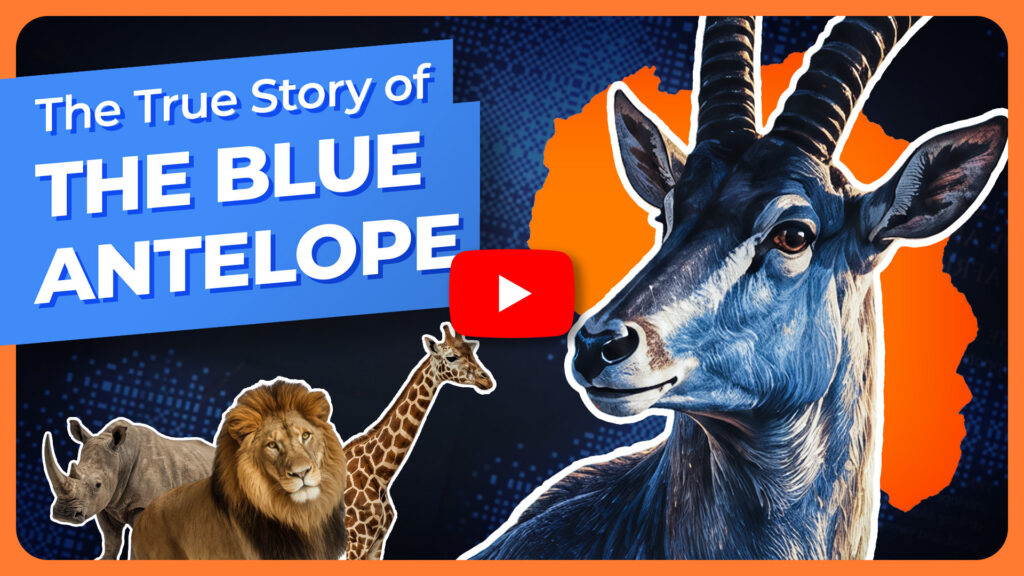
Duration: 25-minute video + 30–45 minute lesson
Download Free Classroom Resources
Each lesson includes:
- Teacher guide
- Student viewing guide
- Classroom activities
- Discussion questions
Grades 6–8
DOWNLOAD MIDDLE SCHOOL MATERIALS
Grades 9–12
DOWNLOAD HIGH SCHOOL MATERIALS
Learning Objectives
Students will:
- Explain the ecological role of antelope in African ecosystems
- Describe the factors that contributed to the bluebuck’s extinction
- Explain how reduced genetic diversity and population isolation increase a species’ risk of extinction
- Research and communicate key conservation information about a currently threatened species to a general audience
About Colossal Biosciences
Colossal is a breakthrough bioscience and genetic engineering company that builds radical new technologies to advance the field of genomics. Colossal creates disruptive technologies for extinct species restoration, critically endangered species protection and the repopulation of critical ecosystems that support the continuation of life on Earth.
