
 002A-00 woolly mammoth
 View More
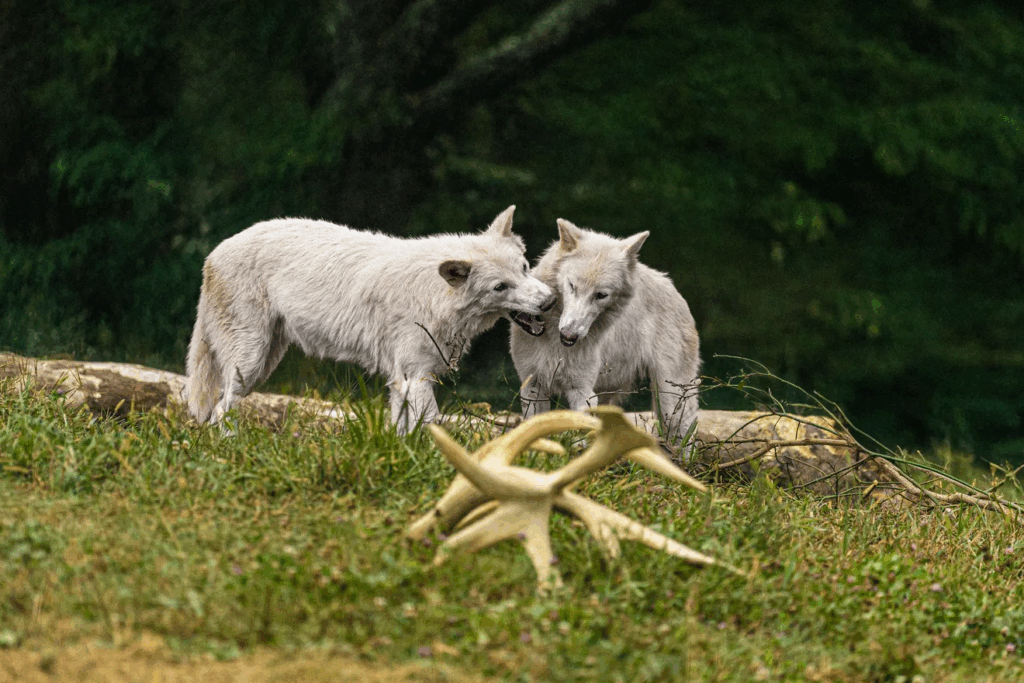
Romulus and Remus are one. Colossal Biosciences has offered the first detailed look at the dire wolves’ development, where the animals, now joined by a third pack member named Khaleesi, are monitored daily by veterinarians and conservationists and have progressed from prepared diets to whole prey, following a gorge-and-fast pattern; they give chase to deer but are not yet skilled hunters.
Chief Animal Officer Matt James says building truly independent apex predators will take generations. Plans include cross-fostering experienced wolves to teach hunting, expanding toward a pack of six to eight, and working with Indigenous and Native American partners to establish the wolves on their lands. Ben Lamm has compared the long-term vision to Yellowstone, where wolves serve their ecological function in protected areas open to visitors.
This story is based on original reporting by David Crow for Den of Geek. Read the full feature on Den of Geek → https://www.denofgeek.com/culture/dire-wolf-future-de-extinction-looks-years-from-now/
