
 002A-00 woolly mammoth
 View More
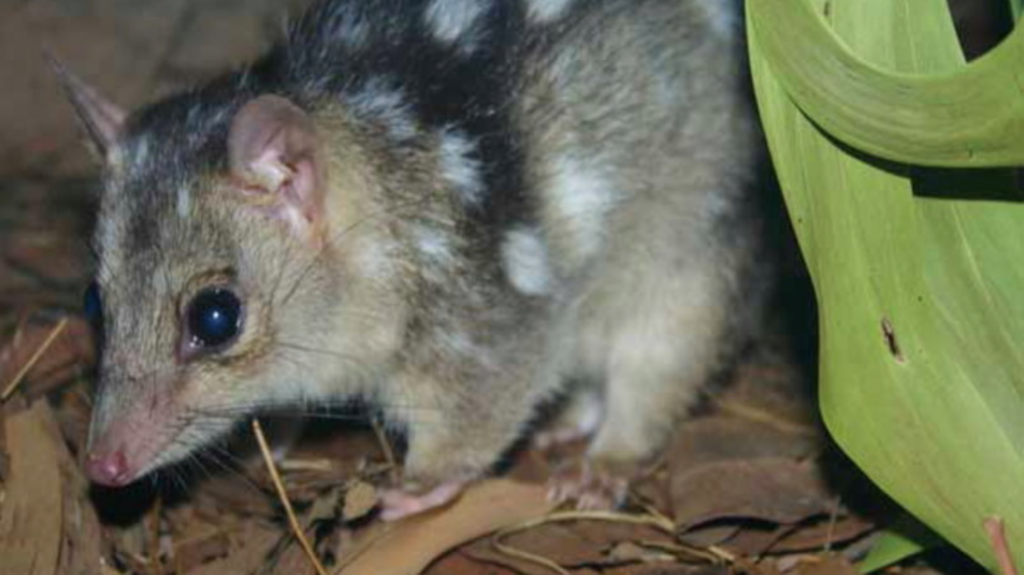
One nucleotide is all it takes. Colossal Biosciences and the University of Melbourne have isolated the single genetic change responsible for cane toad resistance in South American mammals and shown in the laboratory that introducing it to northern quoll cells makes them fully resistant to the toxin, while unaltered quoll cells died from contact with the same poison. The change is a single letter in the quoll’s 3-billion-letter genome.
Northern quolls are endangered across northern Australia primarily because of fatal cane toad poisoning, and without intervention the species faces extinction within a decade. The team is now testing IVF techniques in the fat-tailed dunnart, a close quoll relative, before moving to quolls; first gene-edited joeys are approximately a year away. The project is funded by the Colossal Foundation.
This story is based on original reporting by Caitlin Fitzsimmons for the Sydney Morning Herald. Read the full feature on the Sydney Morning Herald → https://www.smh.com.au/environment/conservation/could-gene-edited-super-quolls-fight-back-against-cane-toads-20260421-p5zpq1.html
